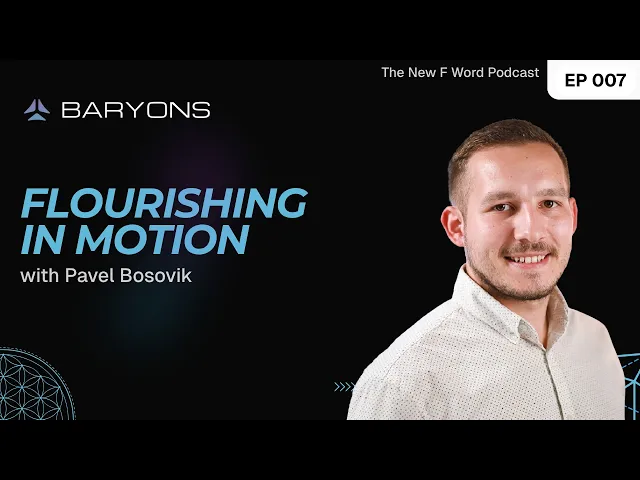
Flourishing in Motion: What I Learned from Pavel Bosovik of 27 North
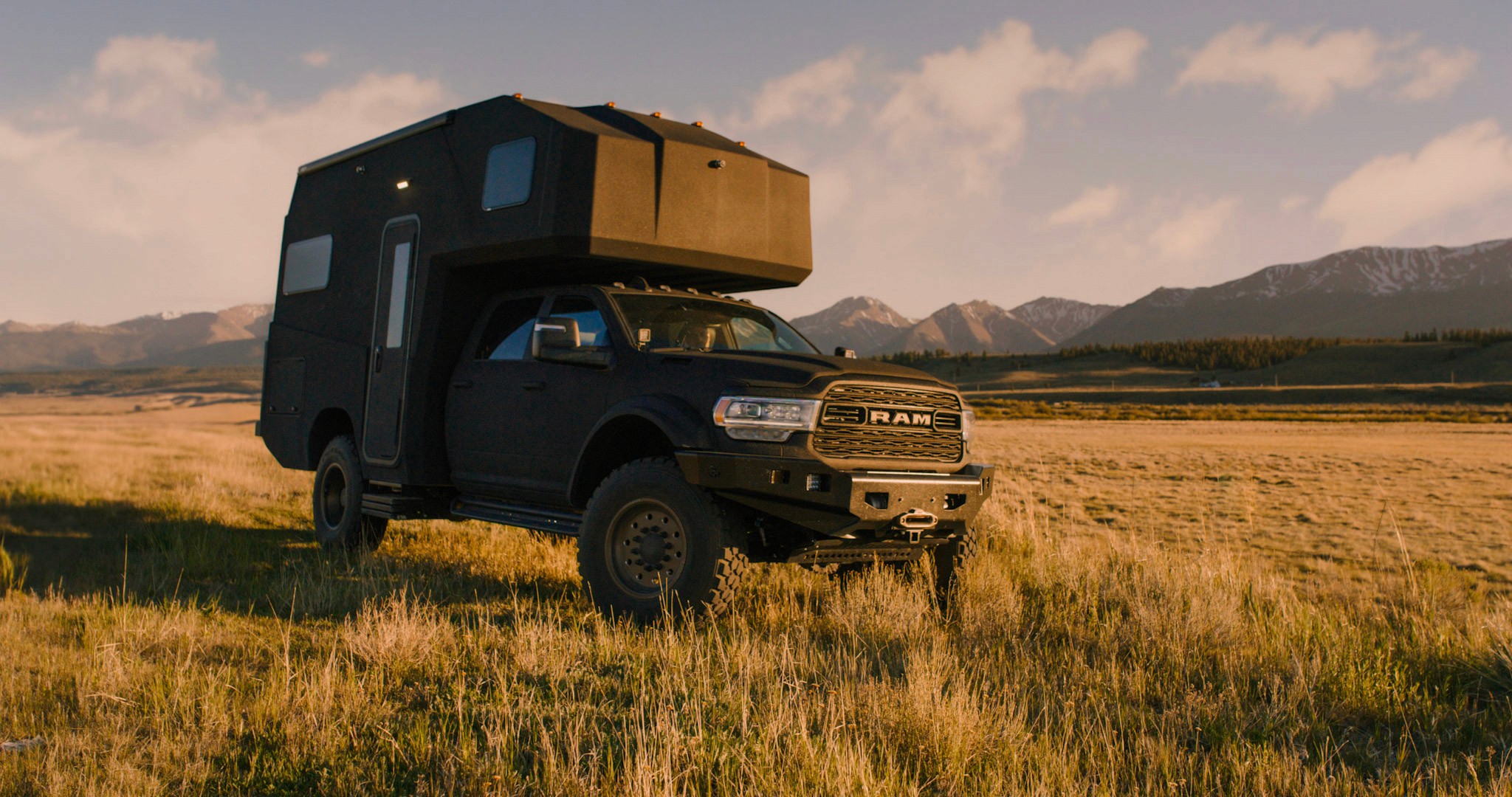
There is a moment in this conversation where Pavel Bosovik says something that stays with me long after we stop recording.
"If you're not flourishing alive today and you try to move that into your adventure van, you're pretty quickly going to be miserable as well."
That is the whole episode in one sentence. Watch it or Listen to it here!
Pavel is the founder and CEO of 27 North, a company that builds expedition vehicles. He has a name for the alternative. RV. Ruined Vacation. His own definition, and he says it with a smile.
His path to building adventure vehicles started in the fifth grade, selling glue bookmarks for fruit roll-ups on food stamps. Paper bookmarks ripped. His were rubber. They lasted longer. That same problem-solving instinct shows up everywhere in his story, and it built 27 North.
The Moment That Started It All
Pavel told us about an elderly couple who came into his office crying. They had bought a brand-new motor home, six figures, the kind of purchase you make once in a lifetime. A three-liter thermos of coffee spilled in the back. Total loss. Lead time on a replacement was two to three years. They had three years of good health left to travel.
That moment cracked something open for him. The vehicles built for adventure were not actually built to handle adventure. The industry was selling a dream it could not protect.
So he started building containers for the dream that would actually hold up to the road, the weather, and the life people wanted to live inside them.
Why Movement Becomes Medicine
Forbes opened the conversation with a frame that kept echoing through the whole episode. From the beginning, humans have been wanderers. Nomadic tribes moved with the seasons. Explorers pushed into the unknown. Even today, road trips and hikes and flights carry us into new experiences.
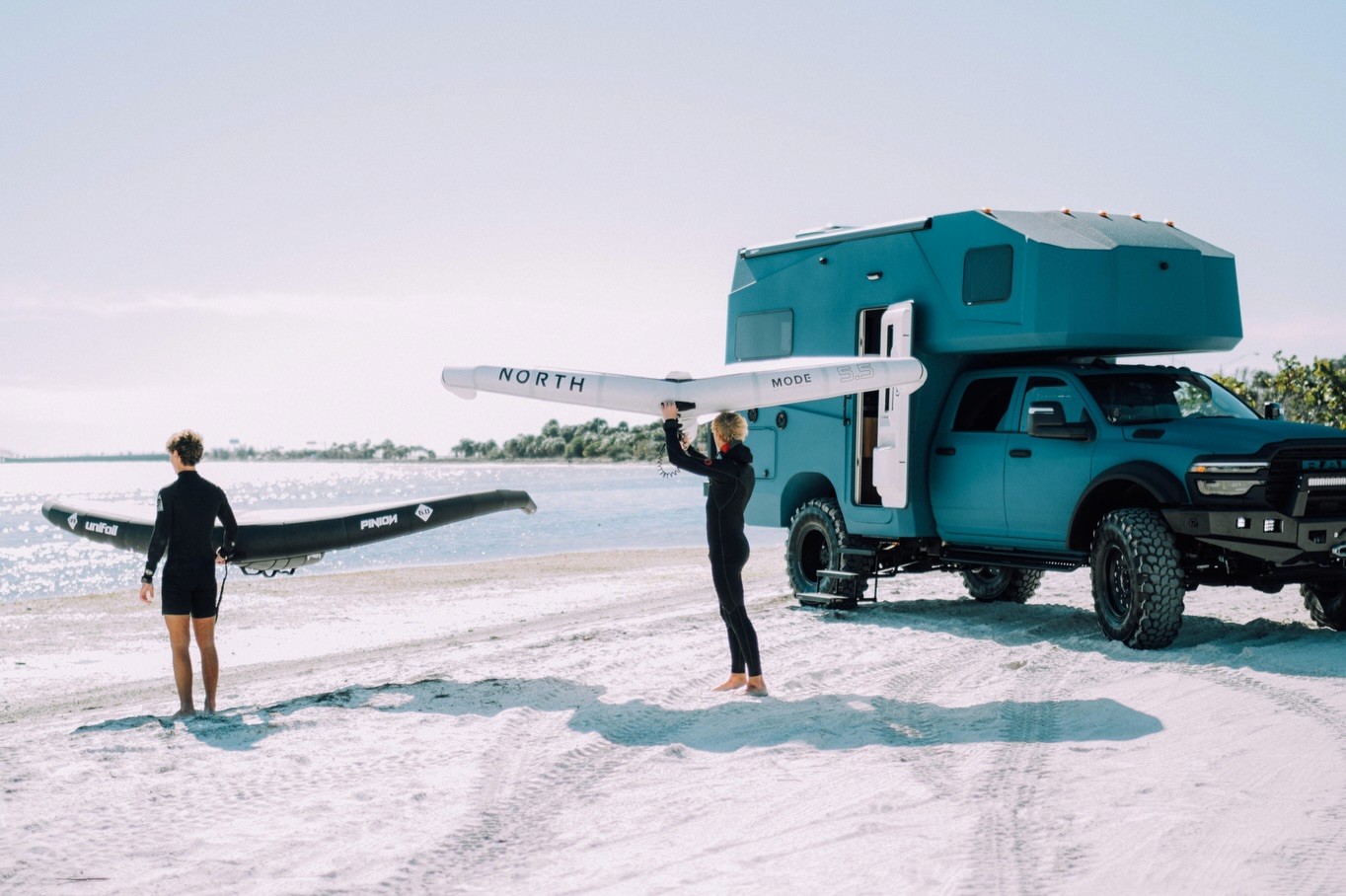
The common thread is that flourishing happens in motion. When we explore, we open space for awe, for connection, for resilience.
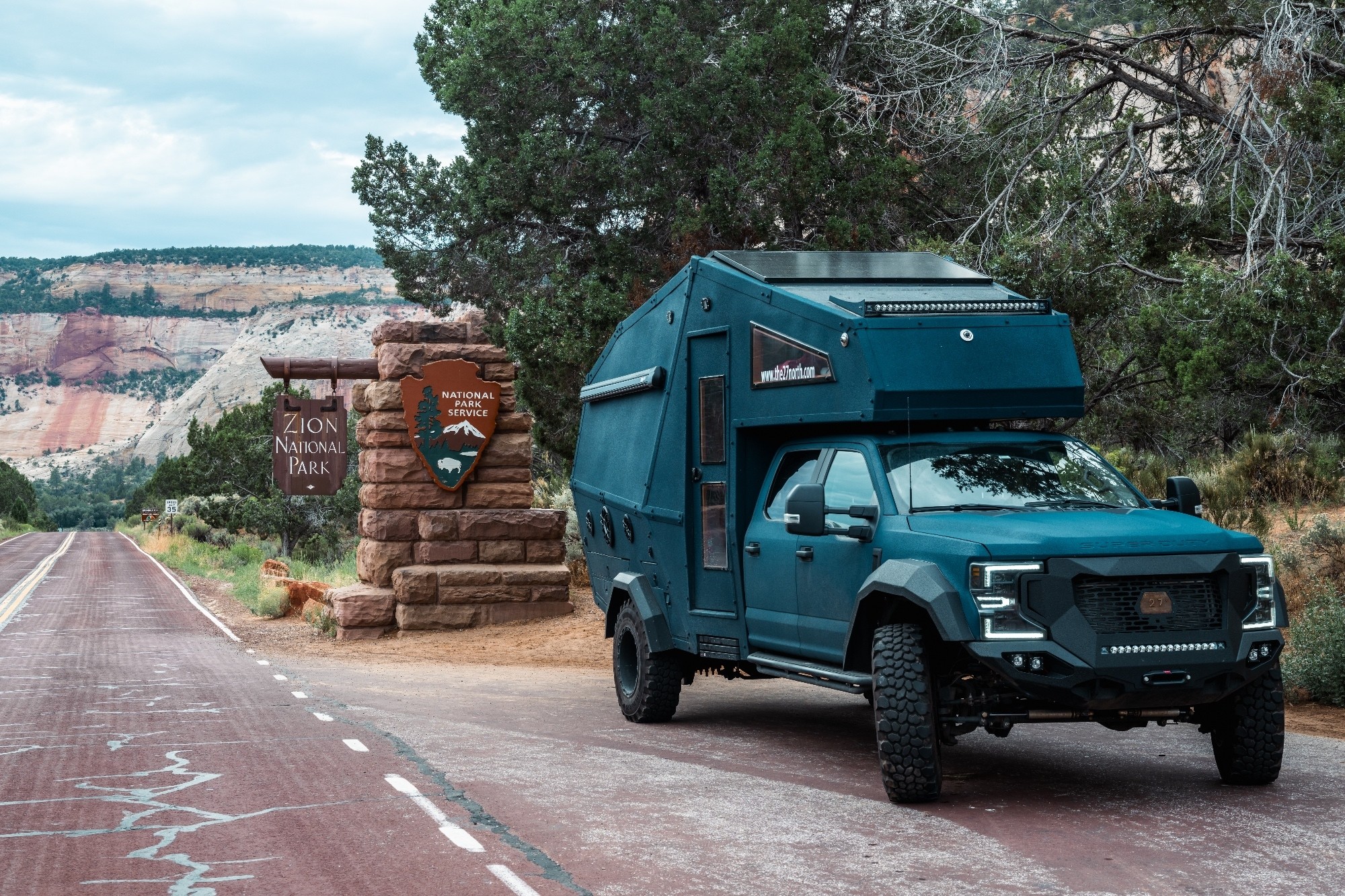
Cornell research shows seventy-five percent of Americans say experiences bring them more happiness than material goods. The Outdoor Industry Association reports outdoor participation hit one hundred sixty-eight million people in 2022. Stanford research shows time in nature lowers stress and increases creativity by up to fifty percent.
The data says what our bodies already know. We were built to move.
The Twenty-Four Hour Problem
Pavel said it takes most of him about twenty-four hours to mentally disconnect when he goes on adventures. A full day before the work brain quiets and the present moment arrives.
Think about that. We are so wired into our patterns that even after we leave, we are still inside the same loop. Same emails playing in our head. Same problems running in the background. Same anxiety about what we left behind.
Movement is the practice that breaks the loop. New environments disrupt autopilot. Your brain releases dopamine in unfamiliar places. Neuroplasticity grows when you change your route, your sky, your soundscape.
This is why Baryons exists. The work of flourishing is daily. It is the inner motion. And companies like 27 North build the outer motion. Together, they show us that flourishing is kinetic.
The CEO Who Sends Customers Away
Pavel sends potential buyers to competitor expos. Hands them competitor brochures. Tells them to go look around. His own service shop works on vehicles built by other brands.
He told us a story about a customer with a competitor's vehicle stuck in from South Africa. He had mechanical issues, and needed repair but couldn't get service help. His team treated it like one of their own.
When I asked him why, he said something that fits the Baryons vision better than most things written about flourishing. He measures success not by sales. He measures it by a five-word text from a customer on the road. "We should have done this sooner."
That is what flourishing partnership looks like. A relationship that remembers what you actually wanted in the first place.
Solo, Together, and the Couple Who Needed Two Vans
Pavel said his customer base splits roughly sixty percent couples, forty percent solo. He admitted that solo travel can get self-centered if you stay in it too long. The world starts to revolve around your own rhythm, your own preferences, your own internal weather.
Traveling with a partner does something different. Ideas multiply on mountain roads. New businesses get sketched on napkins at trailhead diners. Shared challenge becomes shared memory, and memory becomes the thing relationships are actually built on.
And then there is the couple who needed two adventure vans. Pavel laughed when he told us. They love each other. They just both needed their own space to flourish on the road. That is not a failure of intimacy. That is a kind of wisdom most marriages would benefit from.
Three Dreams for 27 North
Pavel does not measure his company in units sold or markets captured. He has three dreams.
The first is a customer who goes off-grid, gets lost in their own head, and comes back with a unicorn idea. The second is two solo nomads who meet on the road and build a life together. The third is the simplest. He wants someone, anyone, to achieve true happiness in one of his vehicles.
That is what it looks like when a company adopts flourishing as its operating system. The product is the container. The outcome is the human.
What to Take Into Your Week
We closed the episode with a Baryon walk-through of twenty steps, from camping in your driveway to standing on a mountaintop with a thousand-foot drop. The point is not the mountaintop. The point is the progression. Practice over posture. Small motions that compound into a different life.
If you are sitting still right now, ask yourself what your version of motion looks like this week. It might not be a van. It might be a new route home. A walk without your phone. A weekend off the grid in your own head.
Your Baryon is your Thinking Partner. A relationship that remembers your goals, your context, and your progress. Start for free at baryons.com.
Listen to the full episode on Buzzsprout, or watch the conversation on our YouTube channel.
The road is open. So is the practice.
More articles

Human Performance Is the Missing Layer in AI Transformation
AI transformation is not only a technology deployment challenge; it is an operating-performance challenge. This article examines how decision clarity, workflow redesign, accountability, trust-based visibility, and learning-oriented pilots help leaders convert AI capability into measurable work outcomes.

Why Employees Actually Use It
Employee participation cannot be sustained by organizational need alone. This article examines the value employees look for in a practice such as Baryons. Clarity, agency, constructive contribution, and less avoidable friction and gives sponsors a practical lens for earning trust.

How to Prove Human Performance Is Affecting Operating Results
CFOs and COOs need more than a broad engagement score to understand whether human-performance conditions are affecting execution. This article shows how to connect workforce conditions to observable operating behaviors, local process measures, and decision-ready pilot evidence over 90 days.
