Decision Clarity as Alignment

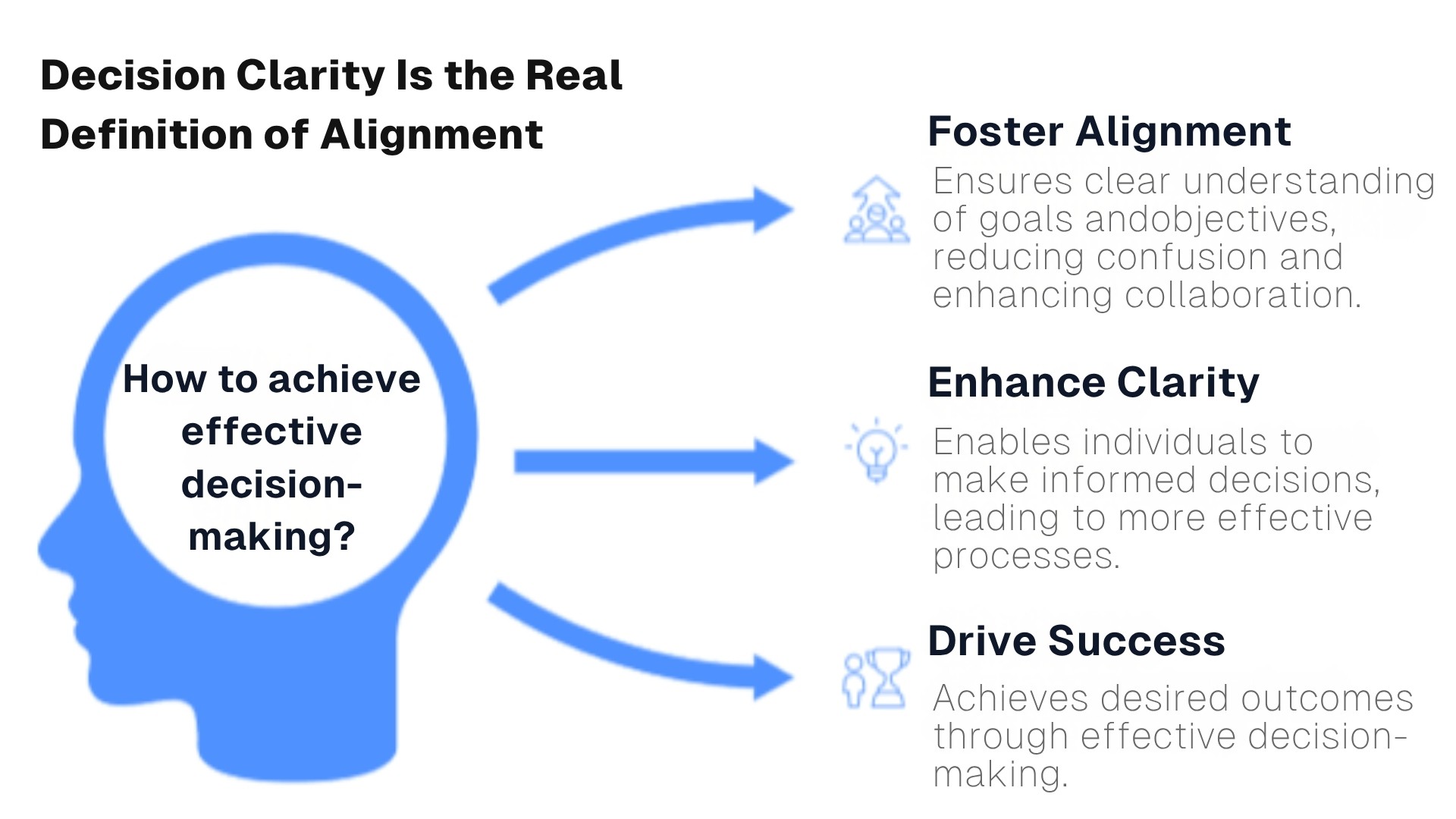
Decision Clarity Is the Real Definition of Alignment
In most organizations, “alignment” is treated like a social achievement. A meeting ends, heads nod, and someone says, “Great, we’re aligned.”
Then two weeks later, teams are still building different versions of the same future.
That’s because alignment isn’t agreement. Alignment is decision clarity: the shared understanding of what we’re doing, why we’re doing it, what we’re not doing, and who owns the next call.
When decision clarity is strong, execution feels lighter. Teams move with confidence. When decision clarity is weak, execution becomes interpretive. Every function translates strategy through its own assumptions, and coordination costs rise.
Why Decisions Get Blurry at Scale
Decision clarity decays as organizations grow especially in hybrid and distributed work, because the “shared brain” disappears.
In smaller teams, decisions travel through proximity. People overhear context. They pick up nuance. They correct misunderstandings quickly.
At scale, decisions travel through artifacts: decks, docs, meeting notes, Slack messages, secondhand summaries. Context gets compressed. Tradeoffs get lost. The “why” fades. People fill gaps with their own logic.
That’s how you get misalignment without conflict: everyone is sincerely trying, but they’re working from different internal maps.
The Cost of Unclear Decisions Isn’t Debate. It’s Drift.
Leaders often worry that insisting on clarity will slow things down. In reality, unclear decisions quietly slow things down far more.
When decisions are ambiguous:
Teams hedge with extra work “just in case.”
Stakeholders re-open the same question in different forums.
People wait for approval because they don’t know boundaries.
Managers become translators instead of multipliers.
The organization looks collaborative. But it’s actually drifting.
Clear decisions don’t eliminate debate. They end the debate at the right moment so execution can begin without constant renegotiation.
What Decision Clarity Looks Like in Practice
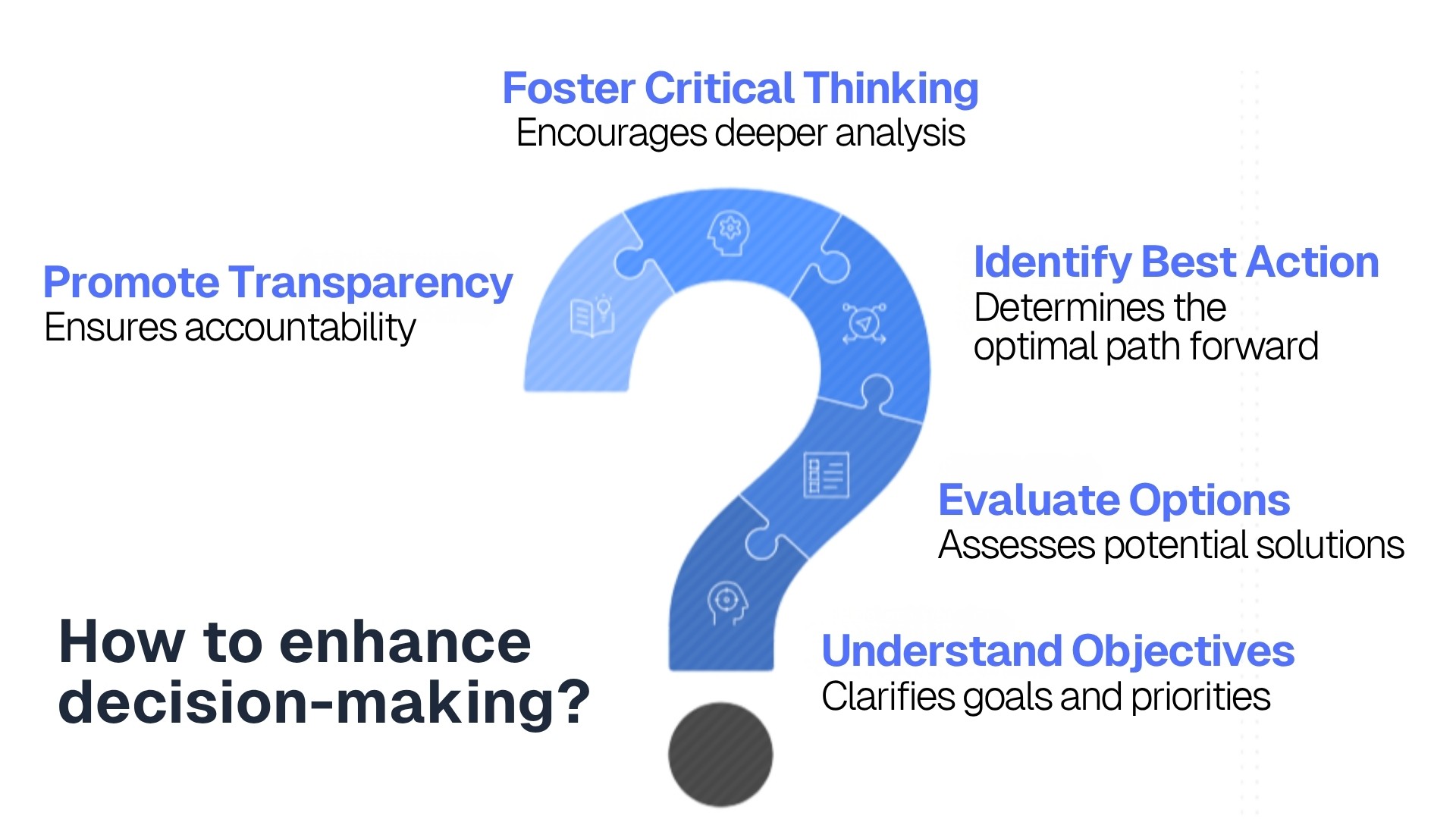
Decision clarity requires a few repeatable habits.
Name the decision
Not “let’s discuss the roadmap.” The decision: “Which two bets are we committing to this quarter?”
State the tradeoff
Clarity is impossible without tradeoffs. “If we choose A, we are not doing B.”
Define the decision owner
Consensus is not ownership. Who makes the final call?
Set the decision horizon
Is this reversible? Are we committing for a month, a quarter, a year?
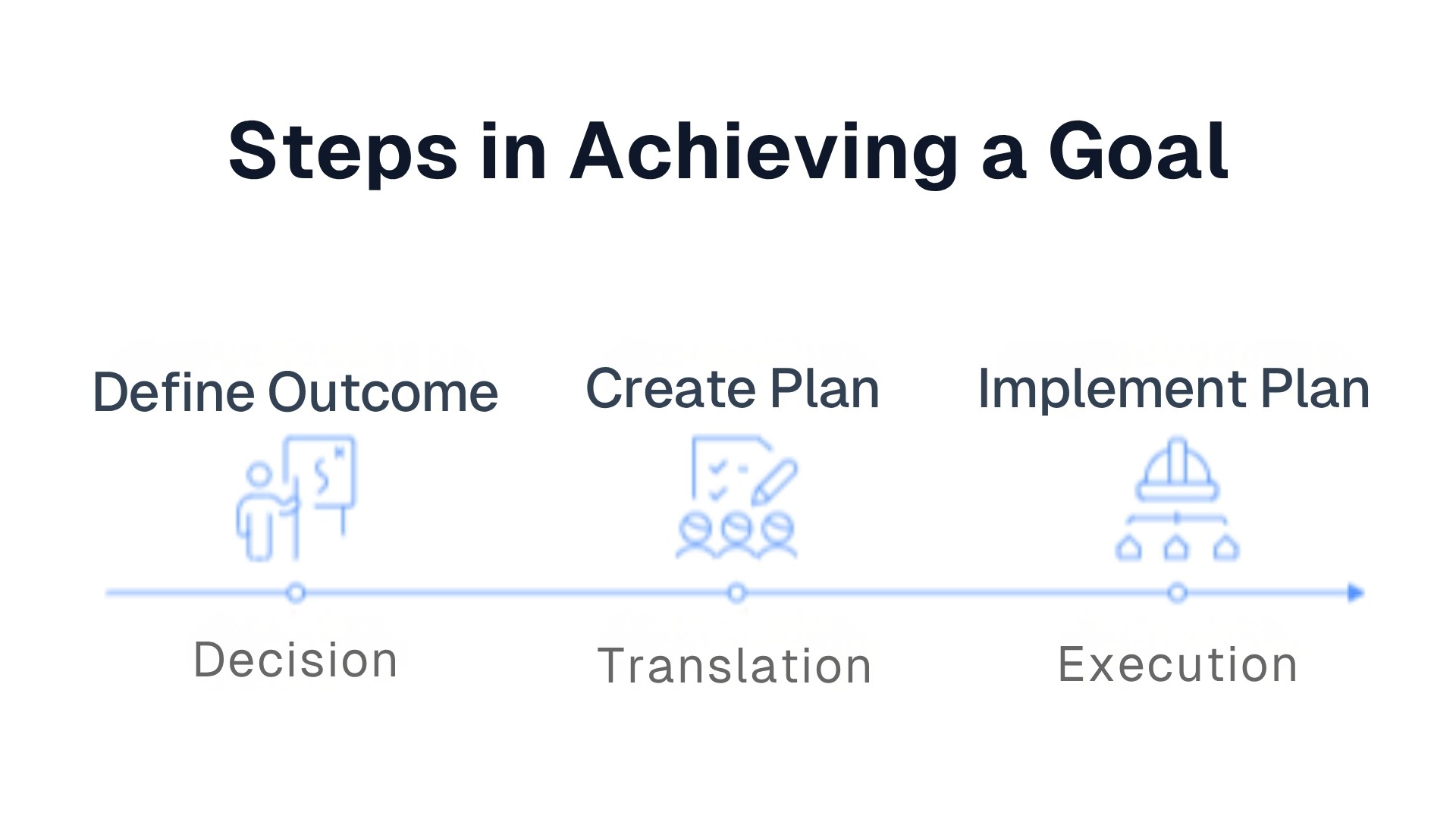
Translate into operational next steps
If the decision doesn’t change what people do Monday morning, it’s not clear enough yet.
These practices create alignment that survives pressure because people are aligned to a decision.
The Human Layer: Clarity Is Emotional, Not Just Cognitive
Here’s what most leadership teams miss: unclear decisions create strain. People feel it as cognitive load, more mental switching, more uncertainty, more second-guessing.
When teams don’t know what matters most, they spend energy trying to predict what leaders will want later. That’s exhausting. It also lowers quality because people optimize for safety rather than impact.
Decision clarity is therefore both an execution lever and a wellbeing lever. Clarity reduces rumination. It reduces “invisible work.” It increases confidence.
In other words: clarity makes performance sustainable.
Why Organizations Default to More Data Instead of Better Clarity
When alignment is failing, leaders often ask for more reporting. More dashboards. More metrics. More status.
But data doesn’t create clarity if the underlying decisions are still ambiguous. In fact, more data can increase confusion by giving people more material to argue with.
The leaders who scale well do something different: they create earlier signal about where clarity is breaking down, before it becomes a delivery problem. They treat human experience; confusion, overload, friction, confidence gaps as leading indicators of execution risk.
Because by the time your KPIs show the problem, you’re already paying for it.
Where Baryons Fits: Turning Reflection Into Decision-Ready Signal
Baryons’ promise—“brief calls, big clarity”—isn’t just personal development language. It’s an operating idea: clarity is created in moments of reflection, not only in meetings.
A low-friction voice practice helps individuals name what feels unclear, what changed, what’s blocking progress, and what decision is actually needed. When that signal is aggregated for leaders, it becomes something most organizations lack: a continuous read on whether decisions are landing, drifting, or creating strain.
That’s alignment as an operating system, not an aspiration.
If you’re investing in strategy but still seeing rework, re-decisions, and slow execution, it’s usually a decision-clarity gap. If you want to explore how Baryons helps teams strengthen clarity through brief voice-based reflection and leader-ready signals, you can learn more at How It Works.
More articles

Why Employees Actually Use It
Employee participation cannot be sustained by organizational need alone. This article examines the value employees look for in a practice such as Baryons. Clarity, agency, constructive contribution, and less avoidable friction and gives sponsors a practical lens for earning trust.

How to Prove Human Performance Is Affecting Operating Results
CFOs and COOs need more than a broad engagement score to understand whether human-performance conditions are affecting execution. This article shows how to connect workforce conditions to observable operating behaviors, local process measures, and decision-ready pilot evidence over 90 days.

Going Deeper: The Thinking Partner and the Growth Partner
Both the Thinking Partner and the Growth Partner grow you. The difference is shape. A look at when to reach for each, and why depth is where the magic lives.
